
Due to potentially damaging weather this afternoon and evening, the children’s musical and pre-show events in the Leawood Sanctuary have been cancelled and will be rescheduled.
Scheduled programming has resumed for Thursday, February 13 at all Resurrection locations.

1 God takes his stand in the divine council;
he gives judgment among the gods:
2 “How long will you judge unjustly
by granting favor to the wicked?
3 Give justice to the lowly and the orphan;
maintain the right of the poor and the destitute!
4 Rescue the lowly and the needy.
Deliver them from the power of the wicked!
In Psalm 82, God ordered the “divine council” to ensure justice and rescue for “the lowly and the needy.” (Some Hebrew writers used the idea of a council of “gods” common in the nations around them. Israelites, however, said the one God presided. Angels or heavenly spirits were council members—cf. Job 1:6). Widows or orphans without a male relative had no legal or social status in that society. It was clear that God cared passionately about helping the most helpless.
Lord God, I trust you to be my help and my strength, even when all else fails me. Use me as one of your instruments to bring justice to your world. Amen.
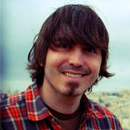
Brandon Gregory, who serves as a volunteer for the worship and missions teams at Church of the Resurrection, wrote today's Insights. He helps lead worship at Leawood's modern worship services, as well as at the West and Downtown services, and is involved with the Malawi missions team at home.
Of all the Bible’s powerful messages, its thoughts and commandments on social justice have been the most transformative for me. Growing up, I thought holiness was something private between me and God. As I read more of the Bible, I saw calls to society as a whole to address issues that go beyond any one person’s relationship with God. This changed how I thought about helping people.
Today’s passage, along with many others in the Bible, give us a clear call to serve people who don’t have the same rights and privileges most of us have: widows, orphans, immigrants, disabled people, incarcerated people, and poor people, to name a few. But most of these passages don’t ask us to provide help for these people; they ask us to provide justice. Justice doesn’t exist for these people in the same way that it exists for me. This is where the personal vs social distinction makes a big difference.
I wish I could personally dole out justice for these people. Like Batman, I would find the villains who are mistreating individuals and punish them, freeing the oppressed from the chains that bind them. My fantasy assumes injustice is personal: one person mistreating another, causing them misfortune. But injustice isn’t a problem with people; it’s a problem with justice. When crimes are punished disproportionately based on skin color, or when acceptance in church is conditional on sexual orientation, systems of oppression build up over years: certain neighborhoods are seen as more dangerous, and groups of people are seen as enemies of the church.
I used to think I could end poverty by volunteering in soup kitchens, or end racism by making space for the people of color among my friends. These things are important, and we need to be doing them, but God calls us to set our sights higher. With justice, there is no Batman and there are no villains; it takes all of us working on systems of oppression to dismantle injustice. The Christian call for justice is a social issue that we need to work on together, including working with people from outside the church.
I know many in our congregation spent this weekend serving others, and that’s fantastic! I’ve heard stories of how Church of the Resurrection and its members showed up for people in our city, and our efforts were life-changing for some. As important as our work during service projects is, though, there’s important work to be done outside of service projects and missions trips. City council meetings need people to speak up for the poor; schools need people to create safe places for people in the LGBTQ community; workplaces need advocates to make sure disabled people are treated fairly. We always need volunteers to help meet people’s immediate needs in our city, but justice is something we can seek with every part of our lives.
