Have you ever learned something that changed the way you saw every day after it? That’s what happened to me the first time I really understood the story behind Juneteenth.
Most of us know June nineteenth as a name on the calendar now, a federal holiday, a day off. But I want to take you back to where it started, because the story matters more than the date.
On January 1st, 1863, President Abraham Lincoln issued the Emancipation Proclamation, which legally freed enslaved people living in the Confederate states. That should have been the end of it. But the Civil War was still raging, and Union troops hadn’t yet made their way into the westernmost reaches of the Confederacy. So in Texas, slavery continued. Not for a few weeks. Not for a few months. For two and a half more years.
It wasn’t until June 19th, 1865, months after the war had already ended, that Major General Gordon Granger finally arrived in Galveston, Texas. He stood before roughly two hundred and fifty thousand enslaved people and read General Order Number Three, telling them what should have been true all along: they were free.
Think about that gap. Freedom was declared, and yet freedom didn’t arrive for everyone at the same time. I think that gap is worth sitting with, because it’s not just history. It’s a pattern we still see today, where what’s declared and what’s delivered don’t always move at the same speed.
When Juneteenth was signed into federal law in 2021, it became, in a real sense, America’s second Independence Day. We often talk about this nation’s two hundred fiftieth year of independence, but Juneteenth marks something just as significant: the moment liberty finally reached everyone it was meant to reach. It’s a day that holds both grief and hope in the same breath. We remember the painful reality of slavery, and we honor the resilience, the endurance, and the enduring culture of the Black community, whose struggle for equity didn’t end in 1865 and continues even now.
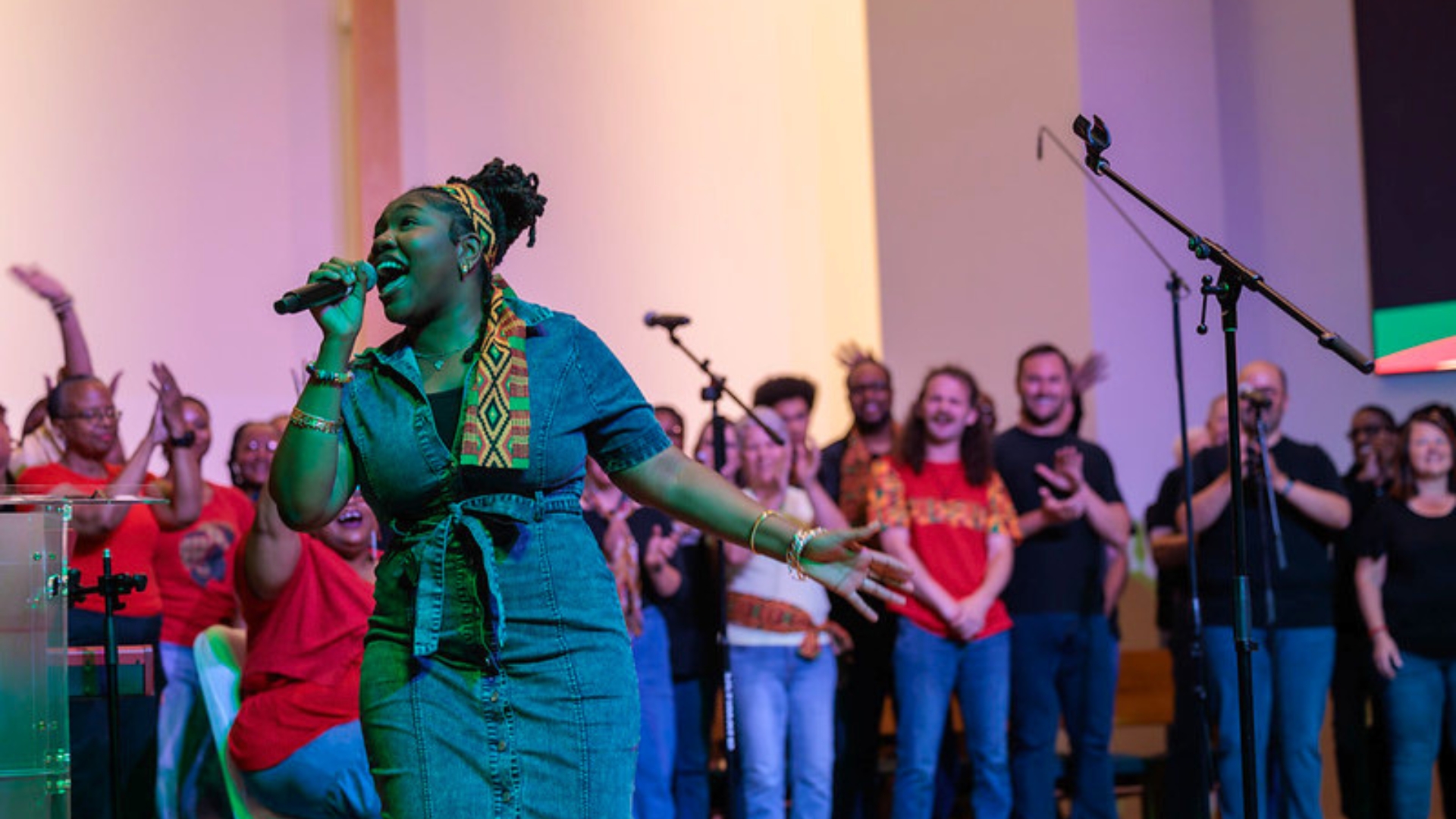
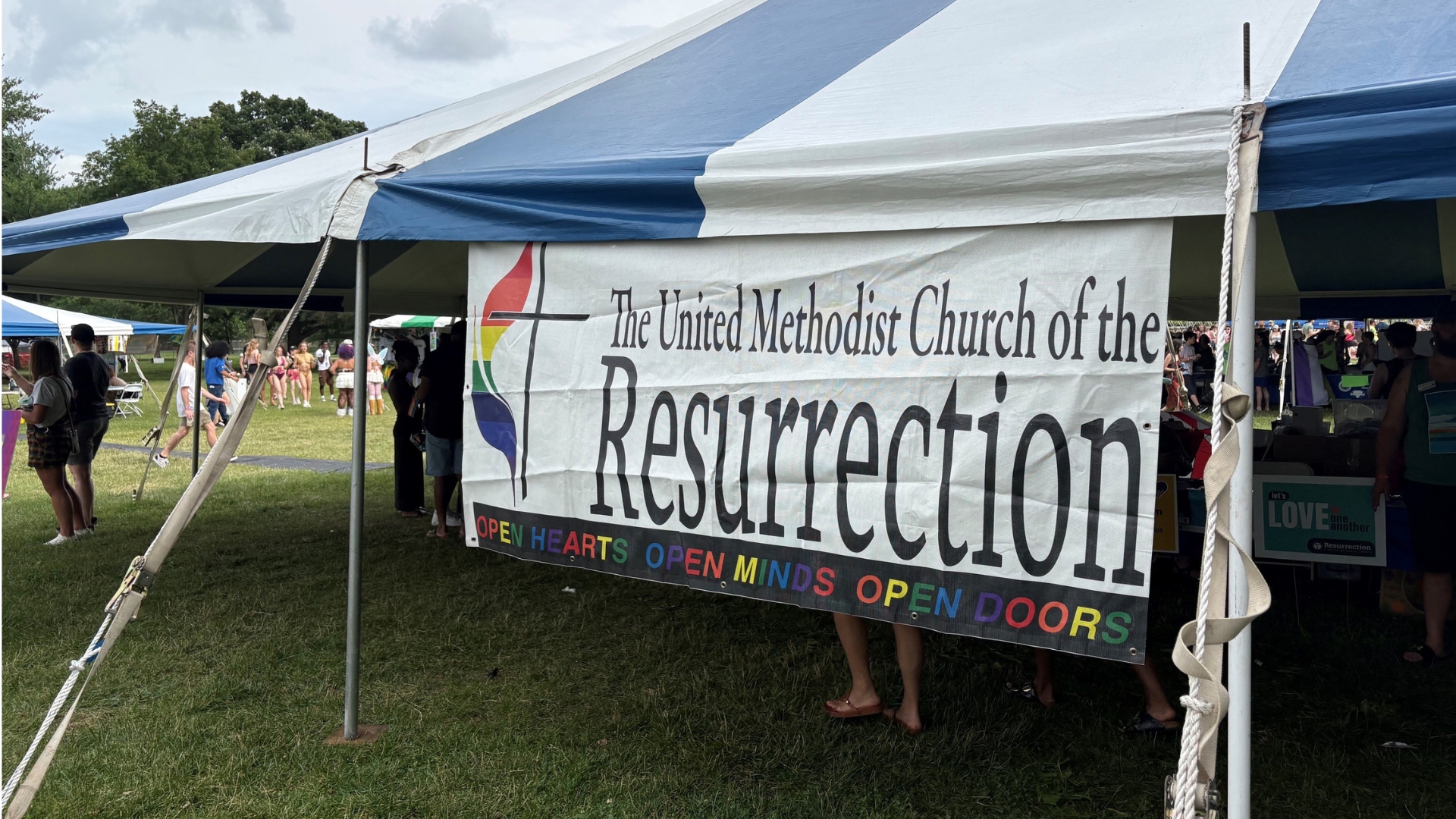
That’s why I hope you’ll take time this season to learn, to remember, and to celebrate, especially here at Resurrection on June 20th. Not because it erases the pain of the past, but because remembering rightly is part of how we move toward healing.
My prayer is that truth continues to be proclaimed, the past continues to be remembered, the present continues to hold hope, and the future looks more and more like God’s kingdom here on earth, just as it is in heaven.
Amen and amen.
▶️ CLICK HERE to watch Pastor Cheryl’s Minute of Justice video on YouTube.