In the rural communities of Malawi, something powerful is taking root—and it’s changing lives from the ground up.
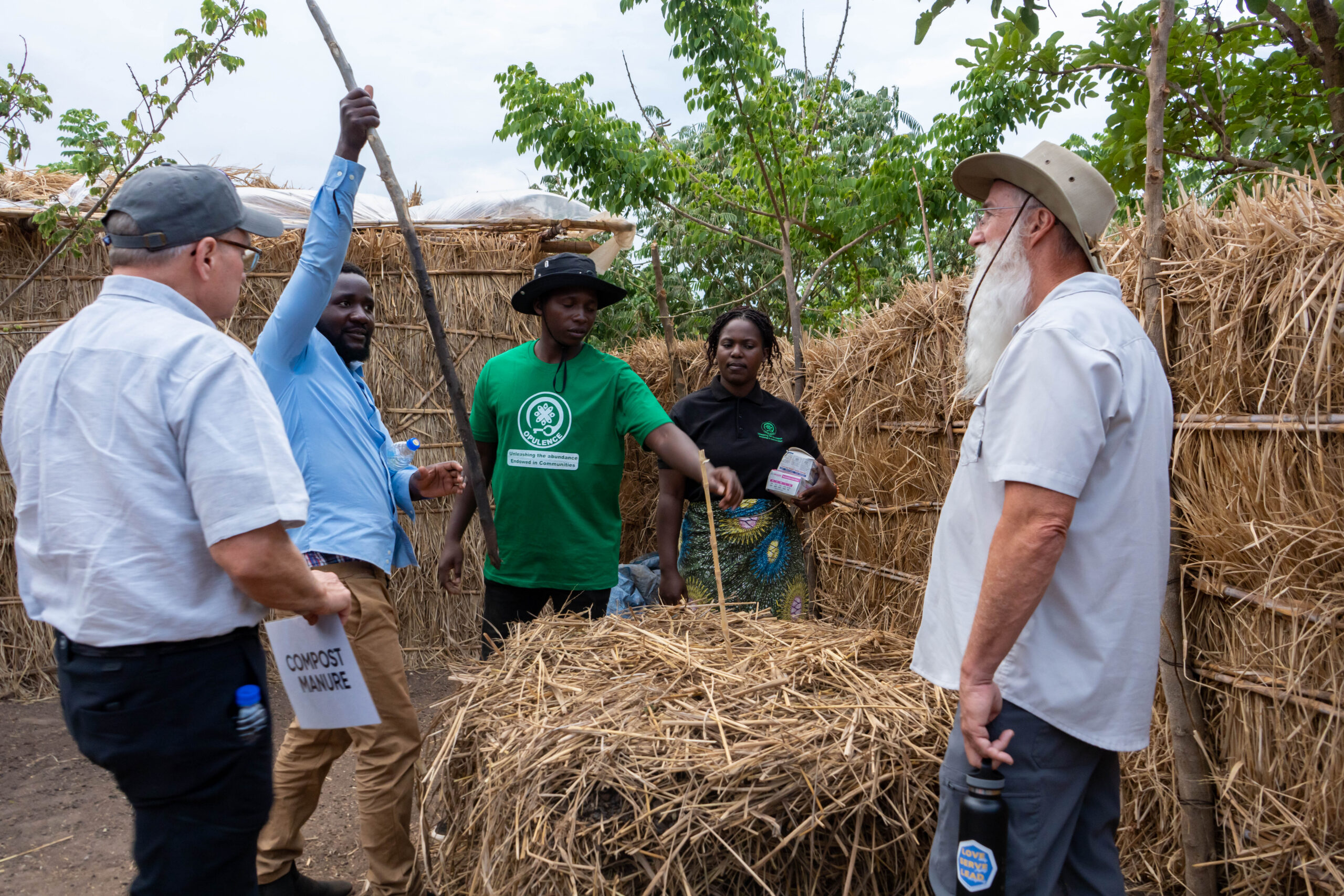
What began as simple training in permaculture has grown into a movement of sustainability, dignity, and hope. Through partnerships supported by Resurrection, communities are learning how to work with the land in ways that are both natural and deeply effective. And sometimes… that transformation starts with things most of us would rather avoid.
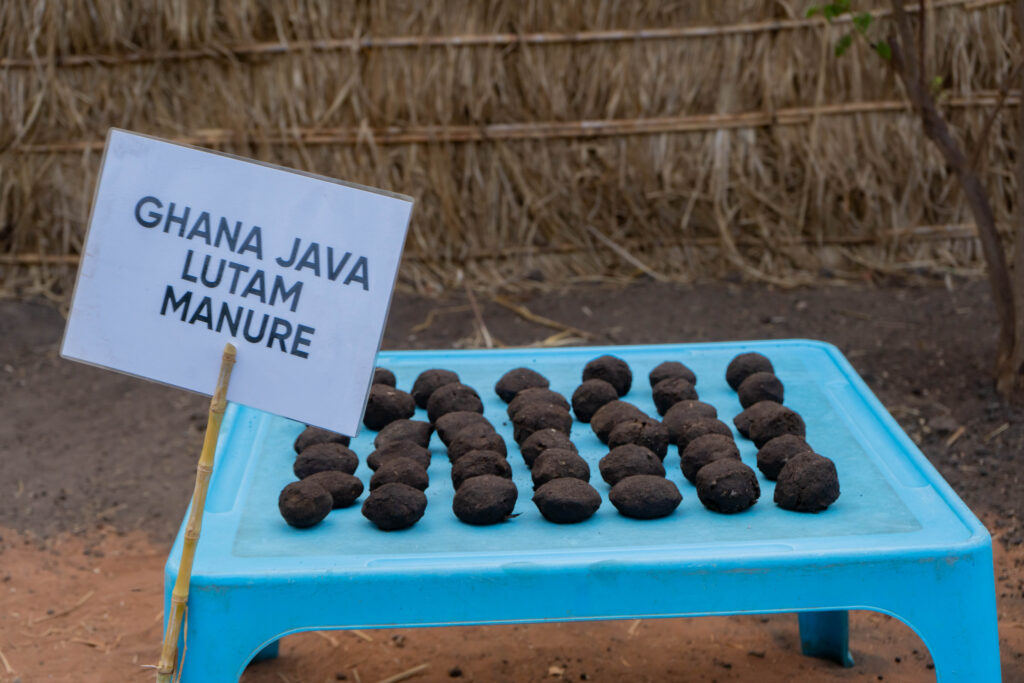
From animal dung to maggot farming, local farmers are being trained in how to create natural fertilizers that are not only more affordable, but often more effective than commercial options. What might seem unpleasant at first glance is actually rich with potential. These methods restore soil health, increase crop yields, and reduce dependency on expensive, and often inaccessible, chemical fertilizers.
But this isn’t just about farming techniques—it’s about empowerment.
Families who once struggled to produce enough food are now seeing their harvests grow. Parents are better able to provide for their children. Communities are sharing knowledge with one another, multiplying the impact far beyond a single training session. What starts in one garden begins to spread across entire regions.
And this work doesn’t stand alone. It builds on other efforts already in motion—like animal husbandry training, where livestock not only provide food and income but also play a vital role in the permaculture cycle. Everything is connected. Waste becomes resource. Scarcity gives way to sustainability.
Because of the generosity of supporters, thousands of people in Malawi are moving toward food security—not through temporary aid, but through lasting, practical solutions they can carry forward for generations.
It’s a different way of thinking. A different way of growing. And ultimately, a different future.
Real change isn’t always clean or easy. Sometimes it’s messy. Sometimes it challenges what we’re used to. But in Malawi, that “messy” work is producing something beautiful: healthier soil, stronger communities, and a hope that continues to grow season after season.
And maybe that’s true beyond the soil, too. Scripture reminds us that God often does His deepest work in the places we’d rather avoid—the hard, messy, uncomfortable parts of our lives. In Romans 5:3–4, we’re told that suffering produces perseverance, character, and ultimately hope. The very things we might want to push away are often the ground where God is growing something new in us. We don’t have to be afraid to get our hands dirty—because in God’s hands, even the mess becomes meaningful. That’s where real growth begins.