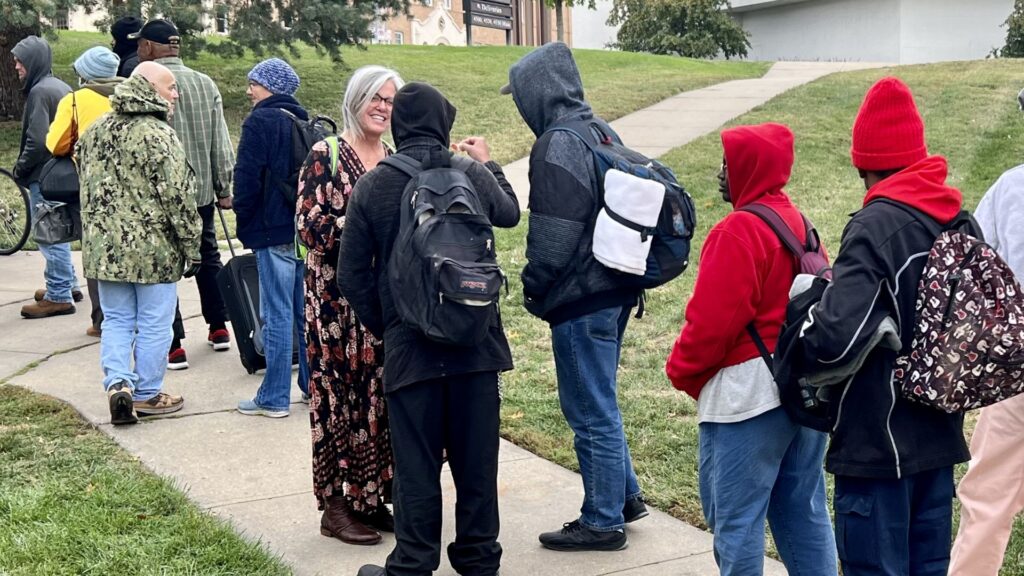
On any given Sunday at Mill Creek Park in Kansas City, you’ll find generous, well-meaning churches serving meals to those experiencing homelessness. The portions are large, and the smiles are genuine, but there’s also something else—something unspoken.
A table.
That rectangular white table holding the food quietly becomes a barrier between two groups: those serving and those being served. The haves and the have-nots. And more often than not, the volunteers stay on their side.
I’ve been serving Sundays in the park for years, and I’ve noticed how hard it is to get those serving the meals to come around the table and simply sit down. To eat. To be with.
When I first started, I made a personal decision not to take food from the table. My reasoning felt right at the time: I could afford my own meals, so why take food that someone else might need?
But over time, I realized something uncomfortable.
My choice wasn’t just about generosity—it was also about distance. Without realizing it, I had placed myself on the other side of the table. My reluctance to be seen as “one of the needy” was quietly outweighing my desire to build real relationships.
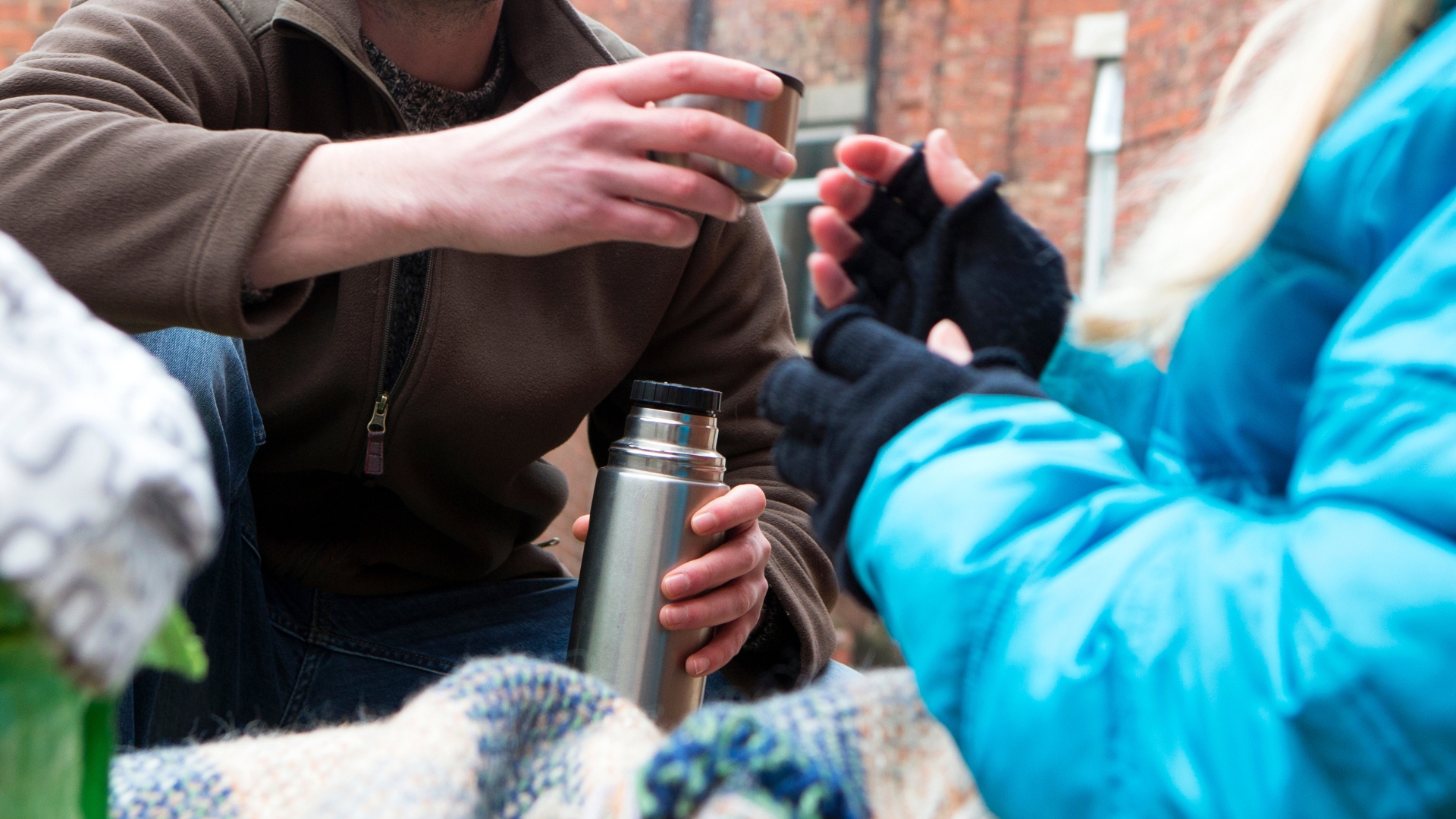
Everything began to change when I decided to sit down and share a meal.
The conversations shifted. What was once a simple “thank you” became, “What church are you with?” and “Why are you helping me?” And I found myself responding differently than I ever had before:
“Because you’re a child of God, and we’re family. Thanks for letting me sit with you.”
Somewhere between the first bite and the first real conversation, the table disappeared.
I know many of our churches carry long traditions in how we approach missions and serve those we might call “in need.” Change in those spaces doesn’t happen overnight. But, there are simple ways—though not always easy—to begin moving toward something deeper.
Sometimes it starts with something as small as stepping around the table and sitting down.
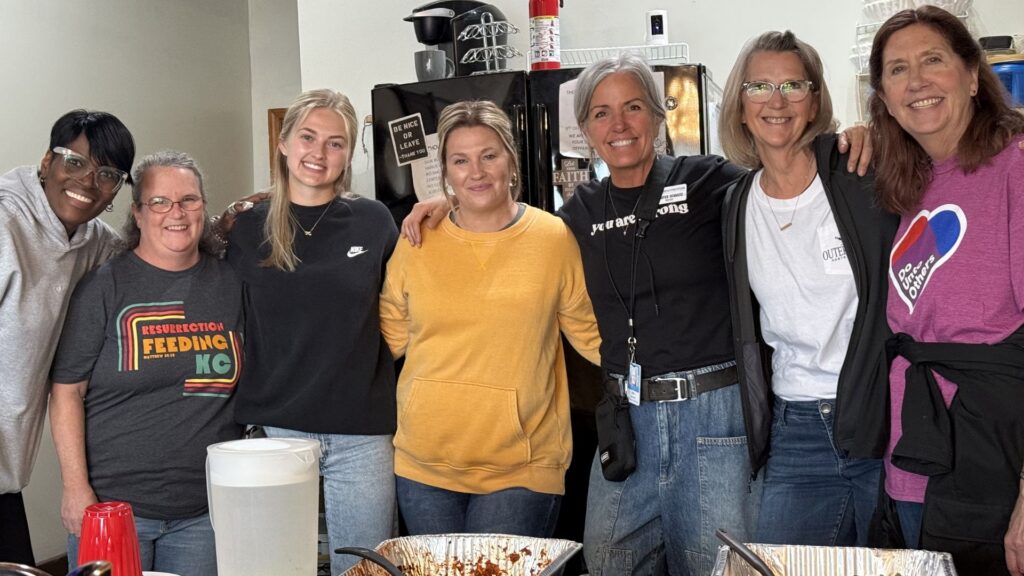
This kind of shift takes all of us. It takes a willingness to move from “doing for” to “being with.” To listen. To receive. To recognize that the people we came to serve also have something to offer us.
I can almost guarantee this way of living won’t feel comfortable at first. I still remember that first plate of food I ate sitting on the ground—it challenged both my body and my pride.
But I’ve found that it’s in those uncomfortable spaces where something sacred happens. Where barriers fall. Where connection begins.
Where I start to see Christ in the eyes of people I might have once only seen as “the needy.”
And maybe—just maybe—they see a little bit of Christ in me too.
If you’d like to learn more about how to get involved, go to cor.org/serve or reach out to any of our Resurrection Missions staff. We’d love to have you join us!
The Sunday Meals at Mill Creek Park are Resurrection Brookside local missions.
Find out more about Resurrection Hunger Ministries.
Learn more about Resurrection Local Missions.
Check out all Resurrection Missions.